Why Glass Furnaces Need High-Density Backup Insulation
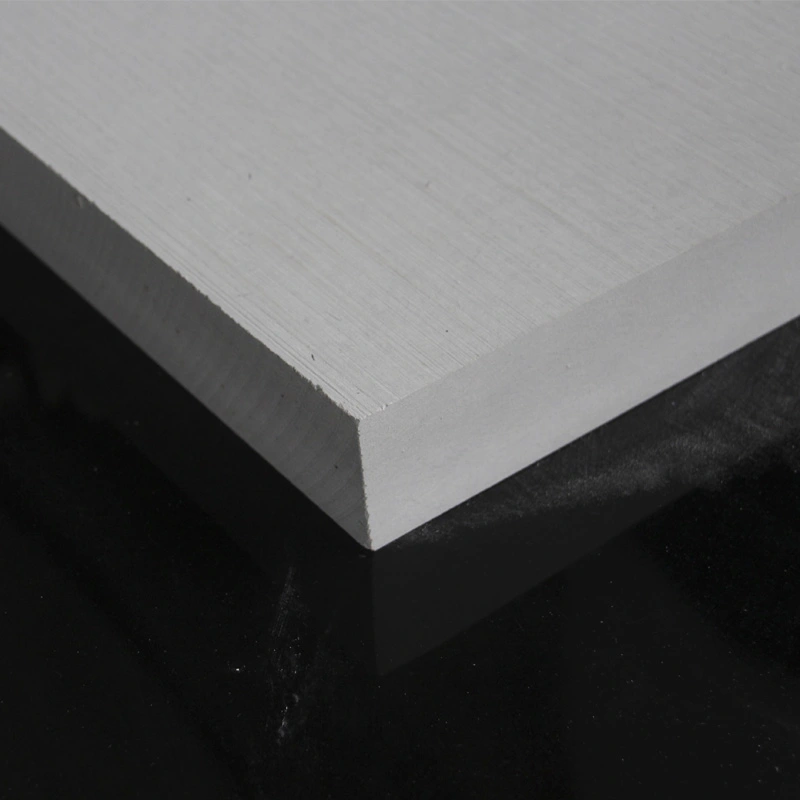
Glass furnaces operate under continuous heat, heavy refractory loads and frequent thermal cycling. While dense refractory blocks protect the hot face, heat continues to move through the lining and escapes through the furnace shell. A high-density calcium silicate board placed behind the primary refractory reduces this heat loss while adding mechanical support to the structure.
Unlike lightweight insulation boards, high-density calcium silicate board resists compression, handling damage and vibration. This makes it suitable for furnace areas where insulation must also carry load or maintain a stable shape over a long campaign.
Where NR-85, NR-80 and NR-120 Boards Are Used
In glass melting furnaces, the boards are commonly installed behind silica, alumina, zirconia or fused-cast refractories in the tank bottom, sidewalls, breast walls and crown support areas. They help lower shell temperature and improve energy efficiency without replacing the primary hot-face refractory.
In regenerators, the board can be used around non-glass-contact walls, crowns and support structures. In working ends and forehearths, it is applied to sidewalls, roofs and bottom insulation systems, where stable temperature control is essential for consistent glass delivery.
NR-85 is often selected for balanced insulation and mechanical strength. NR-80 suits applications where a lower-density, insulation-focused board is preferred. NR-120 is appropriate where higher compressive strength and structural support are required.
Typical Installation Method
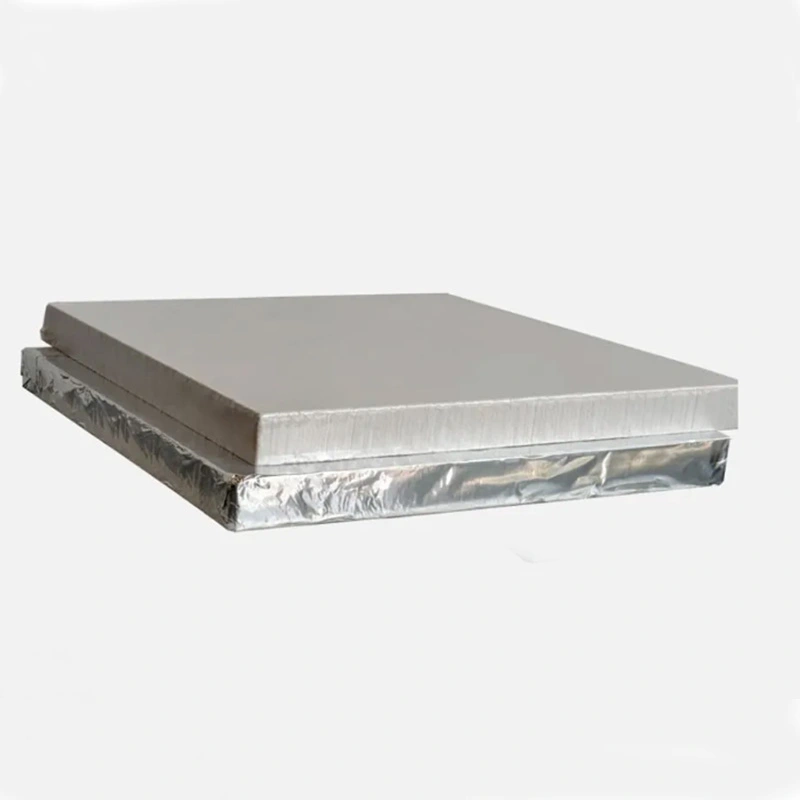
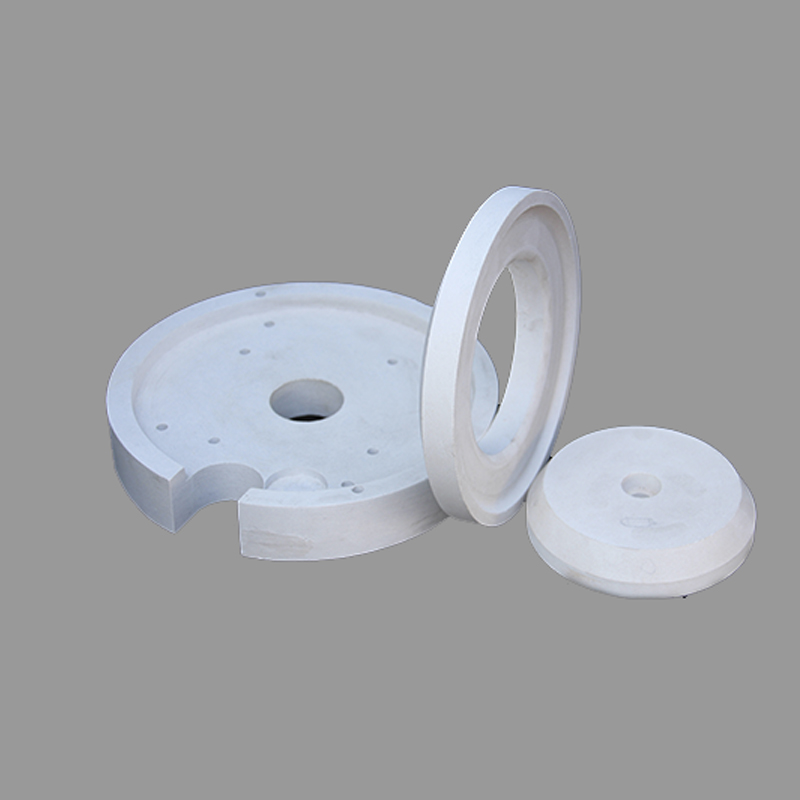
Boards are supplied in standard 2,400 x 1,200 mm panels and can be cut to fit around burners, thermocouple wells, electrodes and steel supports. Before final installation, panels should be dry-fitted to confirm dimensions and minimize gaps.
For multi-layer linings, joints should be staggered to reduce thermal bridging. Compatible ceramic fiber paper, high-temperature mortar or sealing materials may be used where specified by the furnace designer. Boards should not be used in direct, prolonged contact with molten glass unless the selected grade and furnace design explicitly allow it.
Benefits for Glass Manufacturers
Using high-density calcium silicate board can reduce heat loss, lower furnace shell temperature, improve refractory support and simplify maintenance. The rigid panels are easy to cut, drill and machine, which helps shorten installation time during cold repairs and rebuilds.
For glass producers seeking dependable backup insulation, NR-85, NR-80 and NR-120 high-density calcium silicate boards offer a practical combination of strength, thermal performance and dimensional stability. Custom sizes, thicknesses and machined shapes are available to match furnace drawings.