Choose by Furnace Zone
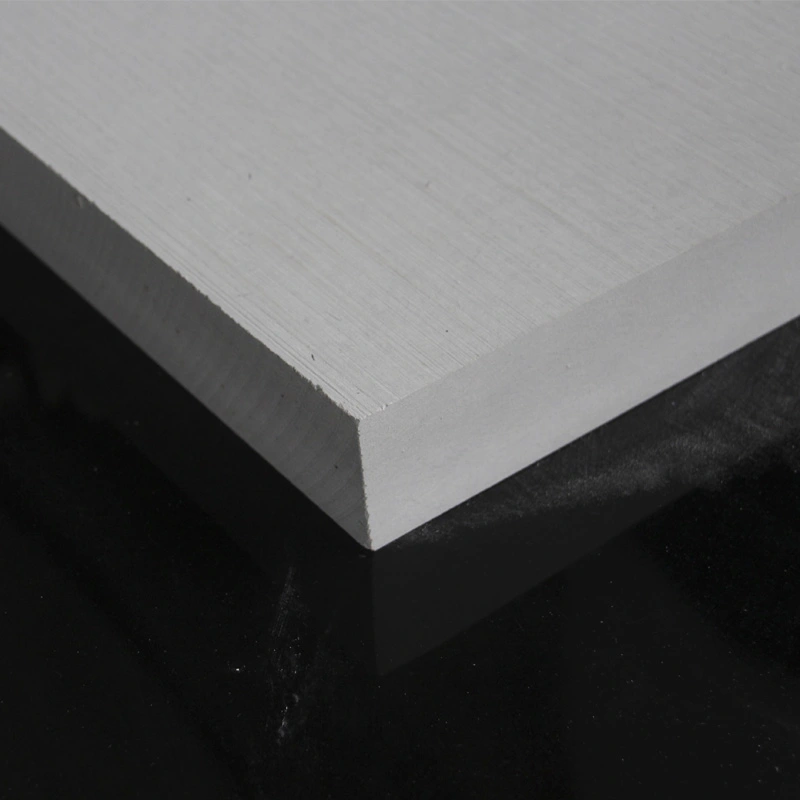
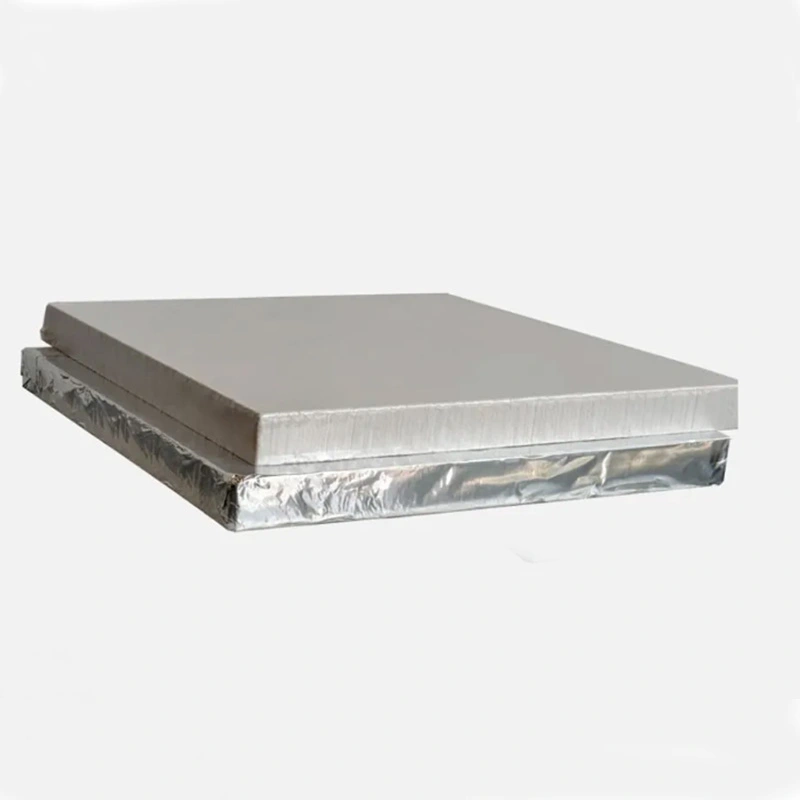
Calcium silicate board and ceramic fiber board are not interchangeable categories. For an aluminum foundry, the useful comparison starts with the component's function: direct metal contact, splash protection, structural insulation or lightweight backup insulation.
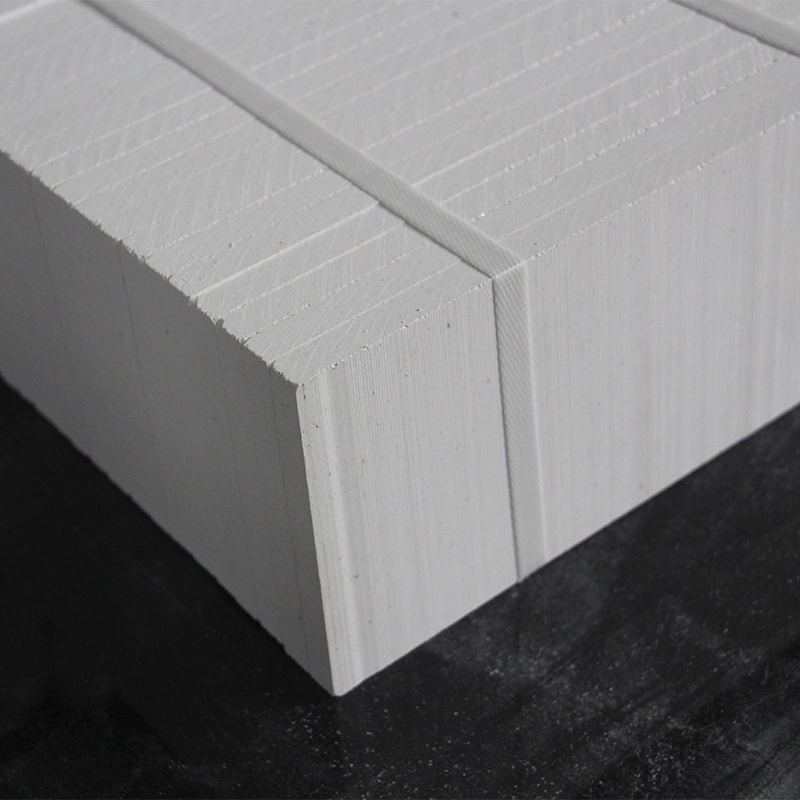
High-density calcium silicate grades may be useful where machinability and mechanical integrity matter. Fiber-based boards may be useful where lightweight insulation is the main objective. Suitability always depends on the specific grade, not only the material family.
Mechanical Strength and Handling
A dense calcium silicate board can offer useful edge integrity and machinability for shaped components. However, it remains a brittle material. It is not a substitute for metal framing or a structural ceramic unless the relevant load and temperature have been evaluated.
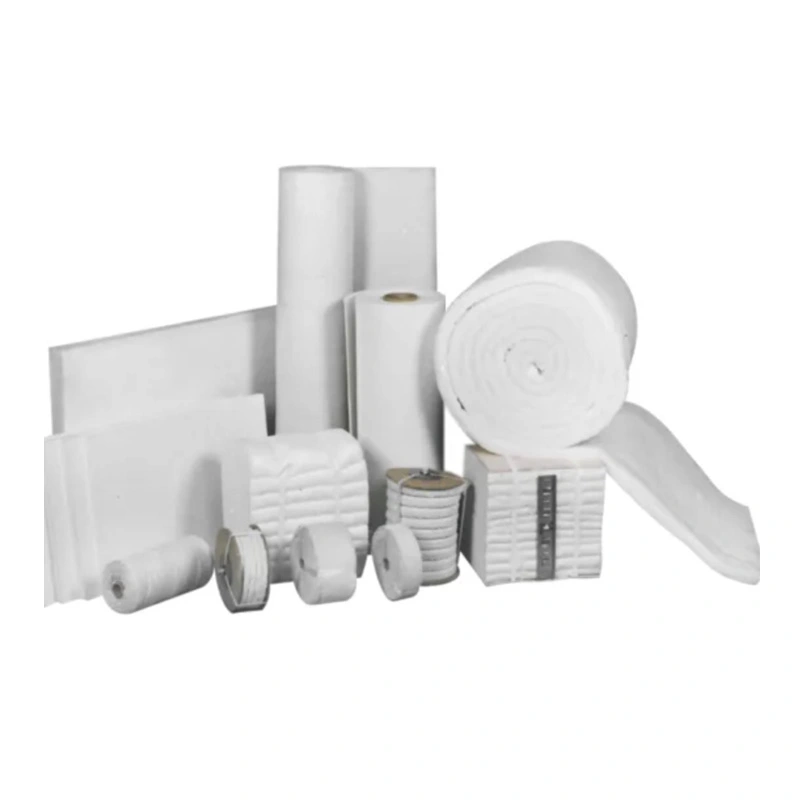
Fiber boards vary considerably in density and binder content. Some are suitable for self-supporting insulation panels, but thin edges, concentrated loads and repeated abrasion can damage them. Compare measured strength and the proposed geometry rather than assuming that either category is always stronger.
Direct Molten Aluminum Contact
For direct metal contact, choose a product specifically qualified for aluminum service. General-purpose building calcium silicate, ordinary insulation board and a casting-grade formulation should not be treated as equivalent.
Similarly, fiber board should not be specified as an exposed metal-flow surface merely because its temperature rating is high. Wetting, chemical compatibility, erosion and cleaning resistance require separate evaluation. A temperature classification alone cannot establish contact suitability.
Thermal Conductivity and Heat Loss
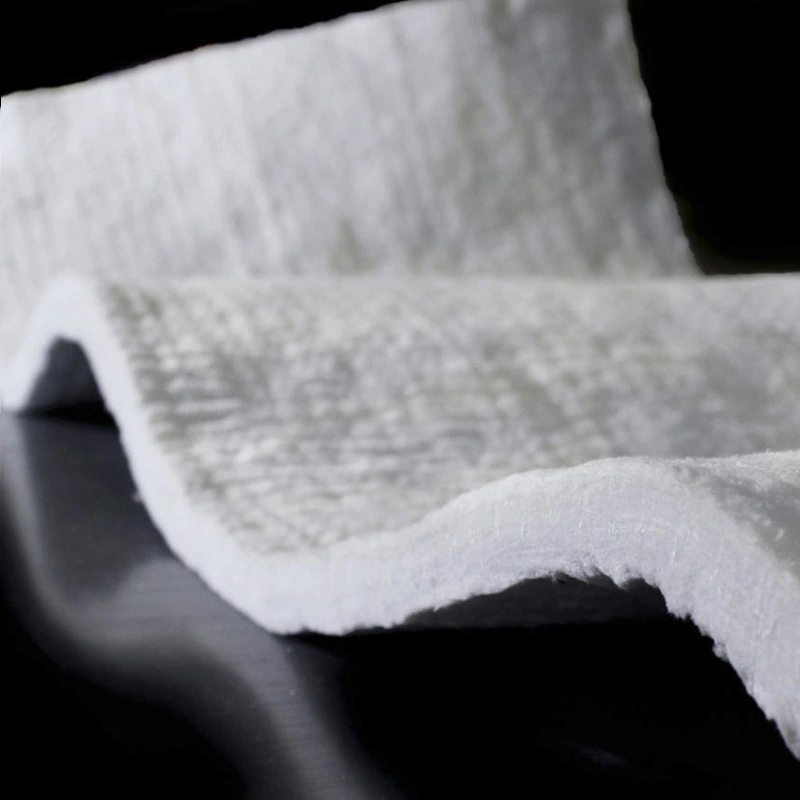
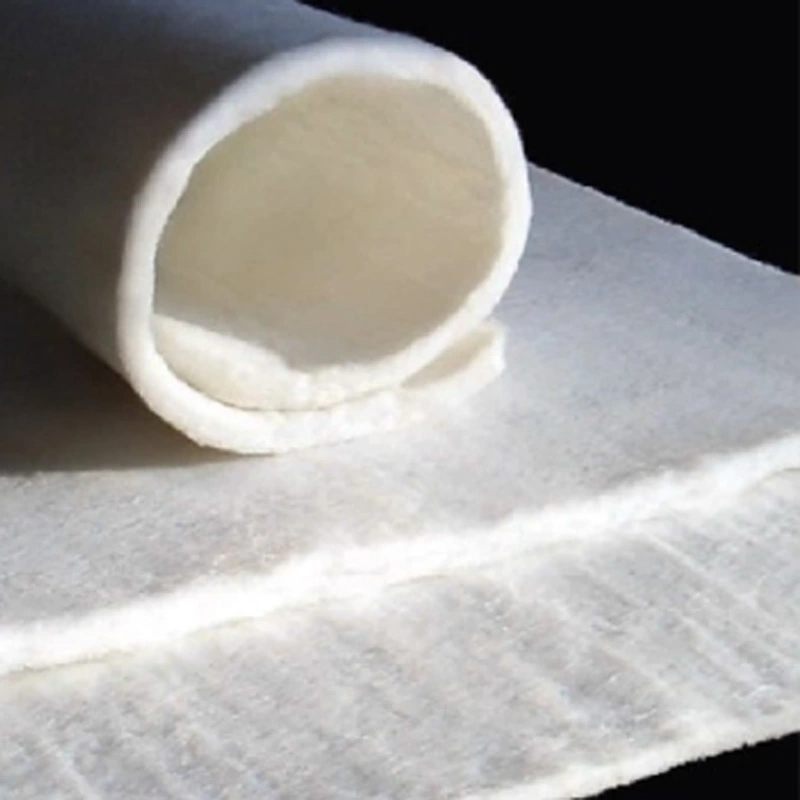
Low-density fiber insulation can provide low heat storage and low thermal conductivity, but the actual advantage depends on temperature, density and construction. Calcium silicate board also varies across a wide range of formulations and densities.
Compare conductivity values at the same mean temperature and calculate the complete lining system. Surface heat loss depends on layer thicknesses, joints, supports and the hot-face condition. A thin high-performance layer may not compensate for a poorly sealed joint or a conductive support bridge.
Thermal Cycling and Shrinkage
Both material families can change during first heating or prolonged service. Organic binder burnout, permanent shrinkage and reinforcement behavior depend on the specific formulation. Ask for dimensional-change data at the expected temperature and exposure time.
Do not use a general statement such as 'excellent thermal shock resistance' as a design value. The actual component experiences thermal gradients, mounting restraint and mechanical loads that may not be reproduced by a simple laboratory description.
Machining and Installation
Calcium silicate board can be suitable for milled profiles, drilled holes and shaped flow-control components when the selected grade has adequate edge strength. Fiber boards may be easier to cut for simple insulation layouts, but precise wear surfaces require a separate assessment.
For either material, plan dust control and handling procedures from the safety data sheet. Use suitable extraction and avoid uncontrolled dry sweeping or compressed-air cleaning. Installation should support the board without excessive clamping or point loading.
Fiber Classification and Workplace Controls
Ceramic fiber is a broad commercial term. Products can contain different fiber types with different safety classifications and handling requirements. An alternative fiber formulation should not be assumed to have the same requirements as a refractory ceramic fiber product.
Calcium silicate products also require grade-specific safety review. Do not publish blanket claims that they are fiber-free, dust-free or harmless. Obtain current safety documentation suitable for the destination market and use it to establish workplace controls.
Use a Layered System When Appropriate
A foundry lining does not need to use one material throughout. A qualified dense hot-face component can be combined with a lower-density backup layer, provided the assembly is designed for its temperatures, loads and attachment conditions.
This arrangement can separate functions: the hot face handles metal exposure and wear, while the backup layer limits heat loss. Review joints, expansion allowances and the risk of metal leakage into the insulation before adopting a layered design.
Practical Buyer Checklist
Which function must each layer perform? Separate metal resistance, mechanical support and thermal insulation in the design review. A single board need not perform all three functions. Choose each layer against its local conditions and examine the joints and attachment details.
When comparing quotations, keep total lining thickness, boundary temperatures and allowable shell temperature consistent. Otherwise, an apparent material advantage may simply reflect a different assumed thickness or a different operating temperature.
Before ordering, request the current technical data sheet, safety data sheet, proposed drawing revision and written application limitations. Confirm whether the quotation covers raw board, finished machining, inspection and packaging. Ask which information is still needed to make a reliable recommendation.
For a production evaluation, define a responsible technical contact and a documented acceptance procedure. Follow established furnace and molten-metal safety rules. Do not introduce an unqualified material directly into a critical location merely because a sample is easy to machine or has an attractive quoted temperature rating.
Inspect the Complete Assembly
Review the component together with its supports, adjoining insulation, joints and exposed surfaces. A material can meet its individual specification yet fail when installed against an uneven frame or subjected to an unintended concentrated load. Check the complete assembly before assigning the cause to the board itself.
Agree what the inspection team will measure at receipt and after a trial. Useful observations include dimensional fit, visible cracking, edge condition and the position of deposits or wear. Record operating hours and process changes alongside those observations so that different trials can be compared on a consistent basis.
Keep the acceptance criteria proportional to the application risk. A non-critical backing panel and a component whose failure could release molten metal should not receive the same approval process. Escalate safety-critical changes to the equipment owner and appropriately qualified engineering personnel.
Request an Application Review
For foundry insulation comparison, prepare a short application brief covering the drawing, operating temperature profile, metal or furnace atmosphere, contact duration, applied load and current service problem. Add photographs showing both the installed arrangement and the condition of a used component.
Request a grade recommendation with its assumptions stated clearly. Ask for achievable machining tolerances, inspection options and a sensible trial plan. A technically complete inquiry helps a manufacturer quote the right component and reduces the risk of ordering an unsuitable board solely on price.
Frequently Asked Questions
Which board is better for aluminum contact?
Use the grade with demonstrated compatibility for the actual alloy and contact conditions. Neither material name alone establishes suitability.
Which provides better insulation?
Compare thermal conductivity at the relevant mean temperature, required thickness and complete lining construction rather than relying on the material name.
Can ceramic fiber board carry furnace loads?
Only within demonstrated grade-specific and temperature-specific limits. Avoid unsupported spans and concentrated loads unless evaluated.
Is calcium silicate board automatically fiber-free?
No. Formulations vary. Check the product safety data sheet and composition declaration before making that claim.