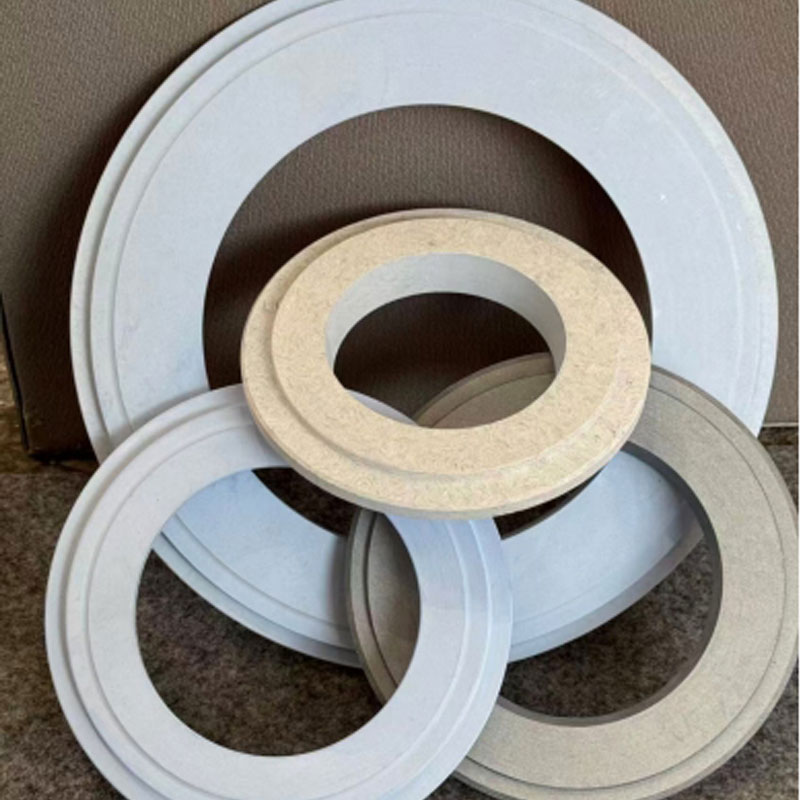
Choosing a holding furnace lining involves more than temperature resistance. Aluminum foundries also need reliable metal-contact performance, manageable cleaning, low heat loss and predictable maintenance. This guide explains where high-density calcium silicate board fits—and what to check before specifying it.
Aluminum Holding Furnace Linings: When Should You Choose High-Density Calcium Silicate Board?
An aluminum holding furnace lining must retain heat while resisting the conditions inside the furnace. For metal-contact areas, that includes molten aluminum exposure, surface build-up and cleaning damage. For backup layers, the main priorities are insulation and compatibility with the complete lining system.
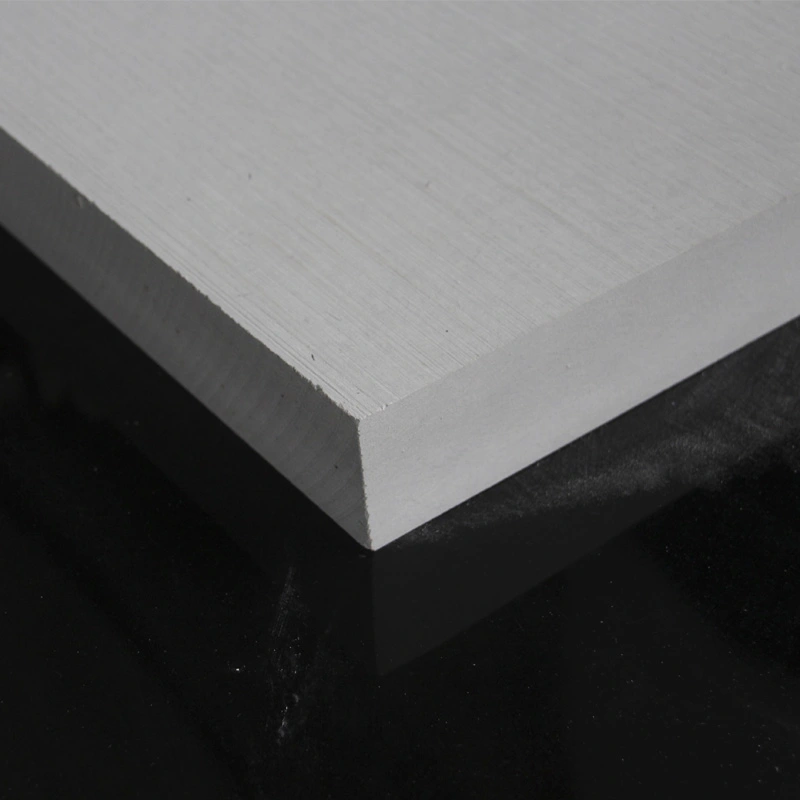
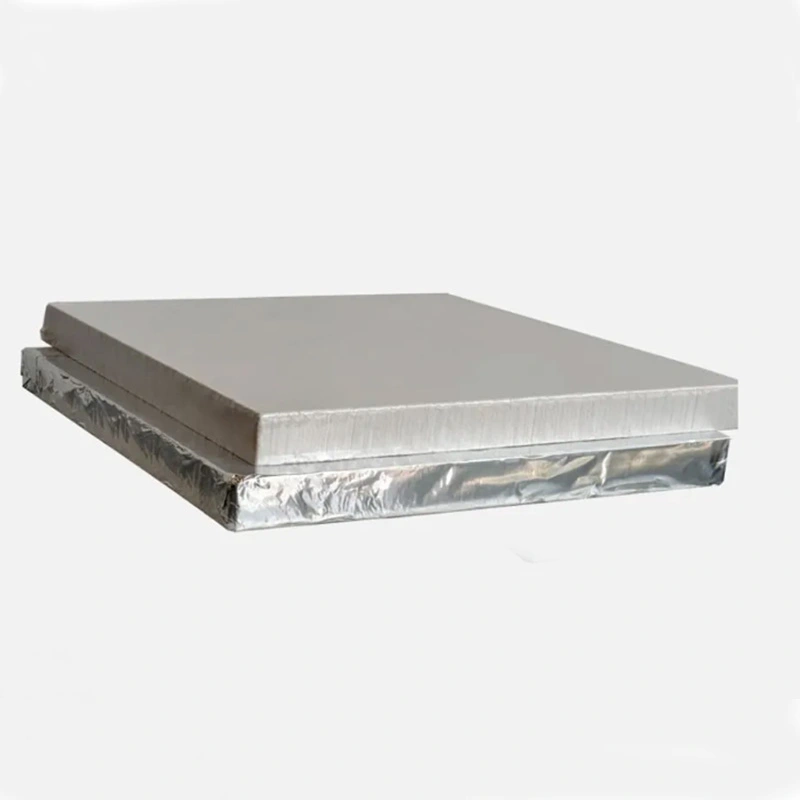
High-density calcium silicate board is an option for selected holding furnace lining applications. Specialized casting grades can combine thermal insulation, non-wetting properties and machinability, including formulations developed for direct aluminum contact. However, they should not be confused with general-purpose calcium silicate insulation boards
What Matters Most When Choosing a Holding Furnace Lining?
The best lining is not necessarily the material with the highest temperature rating. It must match the conditions in each furnace zone.
Evaluate:
Aluminum alloy and operating temperature.
Continuous immersion, intermittent contact or splash exposure.
Fluxes, salts and other process chemicals.
Mechanical scraping and cleaning frequency.
Thermal cycling, installation support and expansion allowances.
Metal-contact surfaces need resistance to wetting and penetration. Areas exposed to cleaning also need sufficient abrasion resistance. Backup layers primarily reduce heat loss, but their behavior during a hot-face lining failure deserves consideration too.
Can High-Density Calcium Silicate Board Directly Contact Molten Aluminum?
Yes—specialized aluminum-contact grades can be used in selected holding furnace applications. Manufacturer literature documents calcium silicate formulations for holding furnace baths and linings, as well as other molten-aluminum handling components. This does not mean every calcium silicate board is suitable.
Confirm the proposed grade against the alloy, temperature, contact duration and cleaning conditions. A temperature classification alone does not establish resistance to molten aluminum or suitability for an entire furnace lining.
Our high-density calcium silicate boards are available for aluminum holding furnace lining applications. Share your furnace drawing and operating conditions so we can recommend a grade and identify where application verification is needed.
Why Is Non-Wetting Performance Important?
Non-wetting behavior helps limit aluminum adhesion and penetration. This matters because interaction between molten aluminum and the refractory can contribute to lining deterioration. Reducing wetting is one approach used to limit the reaction zone in aluminum-contact refractories.
A non-wetting surface can also make solidified aluminum easier to remove. However, it does not eliminate every deposit: damaged joints, cold areas and accumulated metal can still create cleaning problems.
Can Calcium Silicate Board Reduce Furnace Heat Loss?
It can contribute to an insulating lining design, but energy savings depend on the complete assembly—not the board alone.
Wall thickness, thermal conductivity, joints, supports and operating conditions all influence heat loss. A practical lining must balance insulation against chemical resistance and mechanical durability. Dense working materials may require additional backup insulation, while lightweight insulation may lack the strength needed for exposed service.
Ask for thermal conductivity data at relevant temperatures and assess the proposed lining thickness before making an energy-saving claim.
FAQ: Aluminum Holding Furnace Linings
Can calcium silicate board replace the entire existing lining?
Not automatically. Furnace walls, hearths, metal-line areas and backup layers perform different duties. A board may suit selected zones while heavily scraped or mechanically demanding areas require another refractory solution. Review the furnace zone by zone.
Does “non-wetting” mean maintenance-free?
No. Non-wetting properties help address aluminum interaction, but thermal stress, mechanical cleaning and installation conditions still affect lining life. Select the material for the actual failure mechanism rather than relying on one property.
Must boards be dried before use?
Follow the grade-specific drying and preheating procedure. Moisture can be absorbed during storage or introduced by installation materials. Published guidance for aluminum-contact calcium silicate boards specifically warns that moisture can cause cracking on contact with molten aluminum. Never assume a stored component remains ready for immediate service.
What information should I provide for a recommendation?
Send the furnace drawing, alloy, operating temperature, metal-contact locations, cleaning method and photographs of the existing lining. Include the current problem—such as adhesion, cracking, excessive heat loss or frequent replacement.
Request a Lining Material Review
Looking for high-density calcium silicate board for an aluminum holding furnace? Send your application details and lining dimensions for a grade recommendation, machining assessment and quotation. A clear operating specification helps identify the right material before installation.