Short Answer
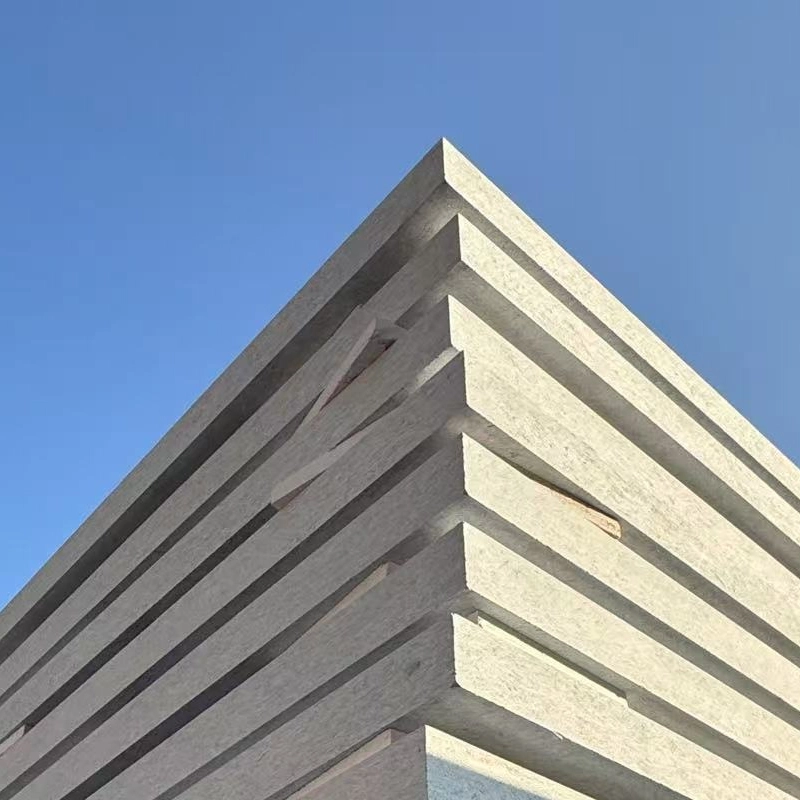
Yes. High-density calcium silicate board can contact molten aluminum in many casting, holding, transfer and pouring applications, provided the correct grade is selected for the real operating conditions.
The key is to evaluate not only aluminum temperature, but also contact time, metal flow, thermal cycling, mechanical load, splash exposure and local overheating. A board suitable for an insulated backup layer may not be suitable for a high-wear launder liner or a continuously immersed component.
What Happens When Aluminum Contacts Refractory Material?
Molten aluminum can wet, penetrate and react with certain refractory surfaces. Once aluminum enters pores or micro-cracks, it may solidify during temperature changes and create metal build-up.
Over time, this build-up can alter metal flow, increase dross formation and make cleaning more difficult. In severe cases, thermal cycling and mechanical stress can cause edge chipping, cracking or dimensional change.
A suitable calcium silicate board reduces these risks through a dense structure, controlled composition, low shrinkage and good thermal-shock behavior. These properties help the board maintain a stable surface and reduce aluminum penetration.
Temperature: Aluminum Temperature Is Not the Whole Story
Many aluminum casting and holding operations operate in the range of approximately 700–850°C. However, the refractory material may experience higher local temperatures near burners, metal streams, pouring points, hot tops or heating elements.
For this reason, buyers should select material based on the maximum realistic hot-face temperature rather than the average aluminum temperature alone.
Specialized high-density calcium silicate formulations are available for selected thermal-processing duties. Do not infer a continuous aluminum-contact limit from a classification temperature. Obtain written grade-specific confirmation for the proposed alloy, atmosphere and duty.
Direct Contact vs Splash and Near-Contact Applications
Not every aluminum application has the same severity. A board used behind a working lining may only need to provide insulation, while a launder liner or spout may face continuous molten-metal flow.
Direct-contact applications include launders, troughs, spouts, floats, dams, distribution boxes, hot-top components and pouring systems. These require strong resistance to aluminum wetting, erosion and thermal shock.
Near-contact and splash applications include furnace walls, covers, transition plates and support structures. Here, the board may not be continuously immersed, but it must still resist aluminum splash, oxidation and repeated temperature changes.
Key Properties to Check Before Ordering
Buyers should request a full technical datasheet rather than relying only on a maximum-temperature figure.
Important properties include bulk density, cold crushing strength, modulus of rupture, thermal conductivity at relevant temperatures, linear shrinkage after heat treatment, maximum continuous-use temperature and thermal-shock resistance.
For aluminum applications, it is also useful to ask about non-wetting performance, compatibility with protective coatings, asbestos-free status and whether the product contains refractory ceramic fibers. These details help buyers compare materials on real foundry performance rather than marketing claims.
Choosing Density and Strength
Higher density generally improves mechanical strength, erosion resistance and dimensional stability. However, it can also increase thermal conductivity compared with a lighter insulation board.
For direct aluminum contact, higher-density grades are often preferred because they better resist metal penetration, mechanical damage and thermal cycling.
For backup insulation behind a dense hot-face layer, a lower-density board may be more suitable because its main function is to reduce heat loss rather than withstand metal flow.
Machining and Dimensional Accuracy
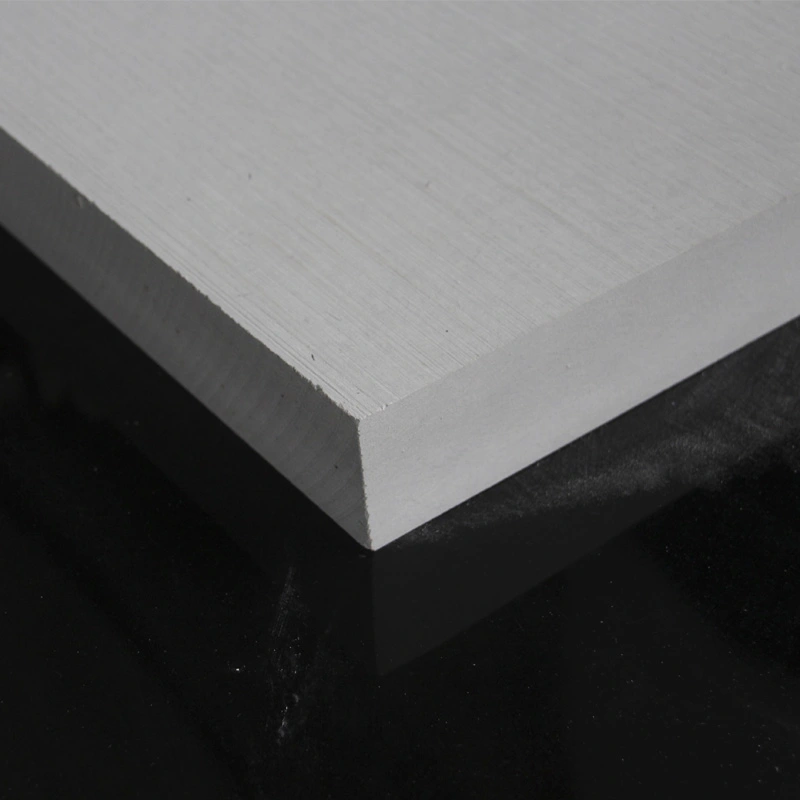
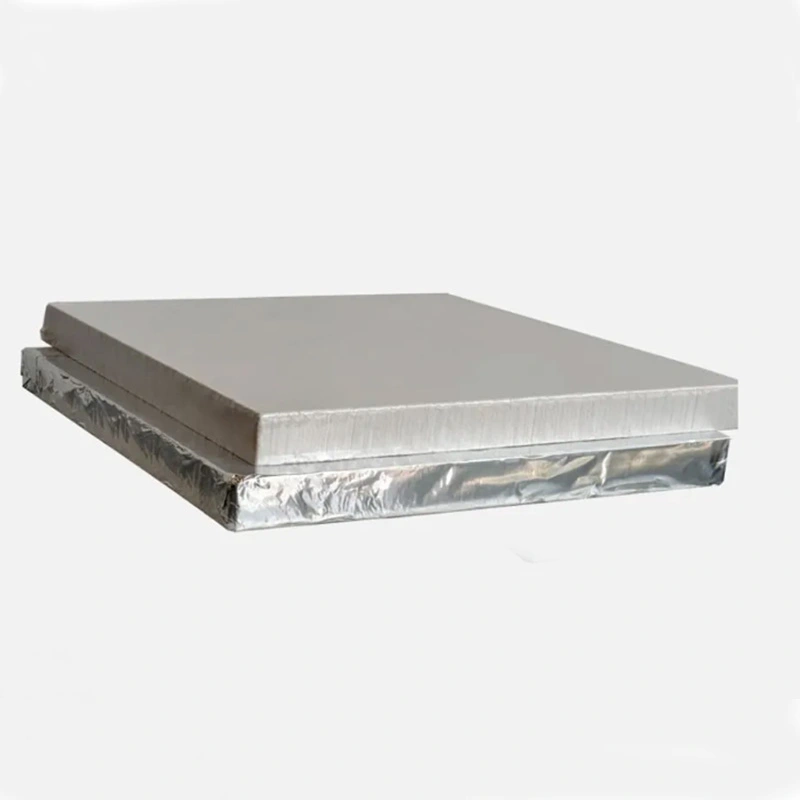
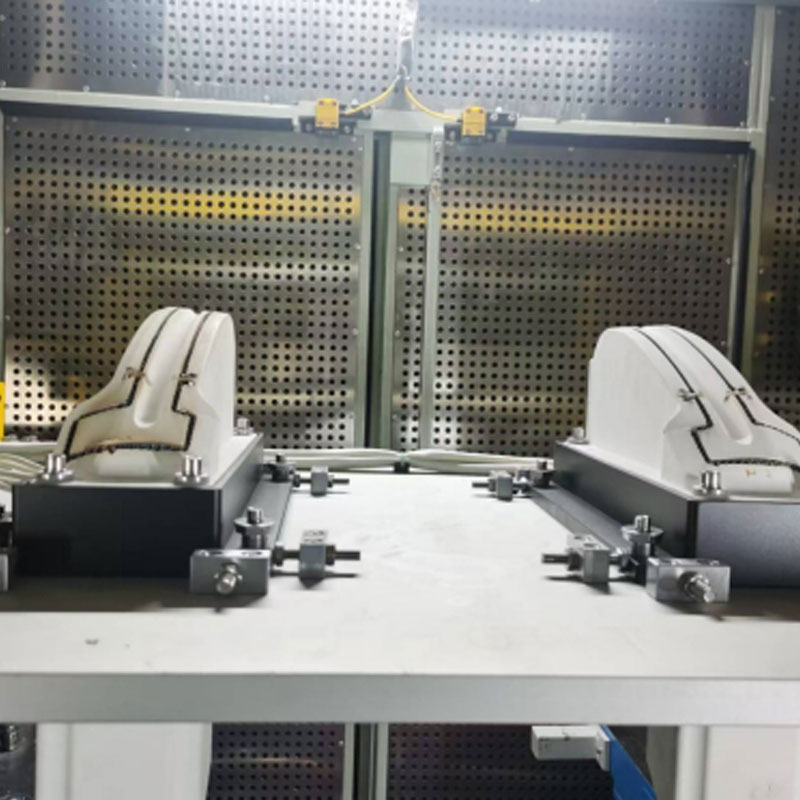
One major advantage of high-density calcium silicate board is machinability. It can be cut, drilled, milled and shaped into custom components with accurate dimensions.
This is particularly useful for launder liners, spouts, nozzle blocks, floats, dams and transition rings, where poor fit can create gaps, metal traps or premature failure.
Machined edges should be cleaned to remove dust, and sharp corners should be chamfered where possible. Smooth surfaces and controlled tolerances help reduce stress concentration and make cleaning easier.
Installation Best Practices
Even a high-quality board can fail early if it is installed incorrectly. Avoid forcing boards into tight spaces, because this can create internal stress and cracking.
Use appropriate gaps or expansion joints where thermal movement is expected. Support heavy components evenly, and avoid point loads that can cause fracture.
Before first use, follow recommended drying or preheating procedures. Rapid heating of a cold, moisture-containing board can cause steam pressure, cracking or spalling.
When Calcium Silicate Board Is Not the Best Choice
Calcium silicate board is not the answer for every location. In areas with extreme abrasion, very high mechanical impact or sustained temperatures above the board’s capability, dense castable, fused-silica, silicon carbide or other specialized refractory materials may be more appropriate.
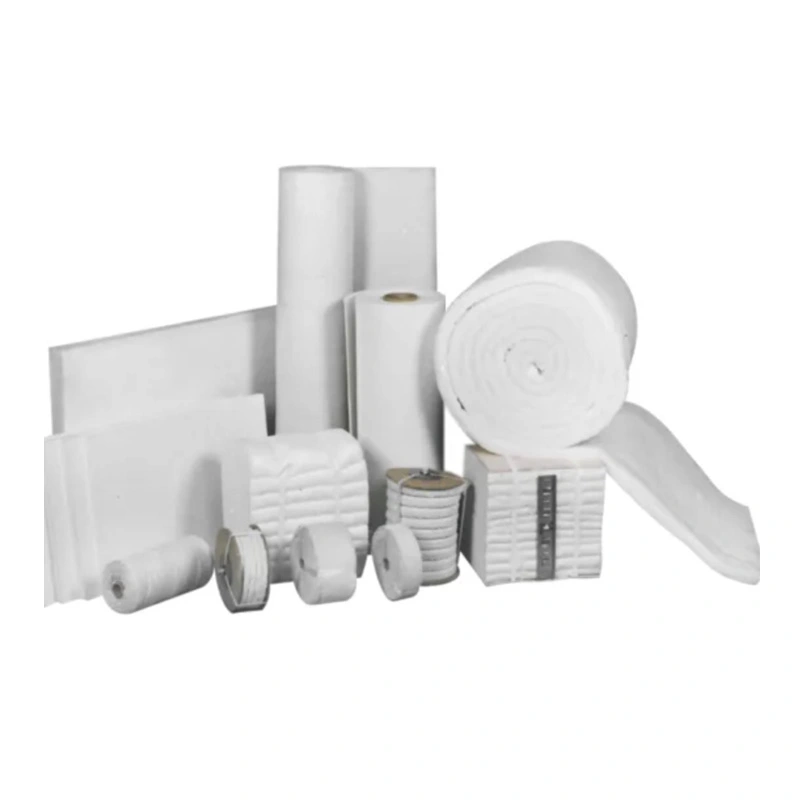
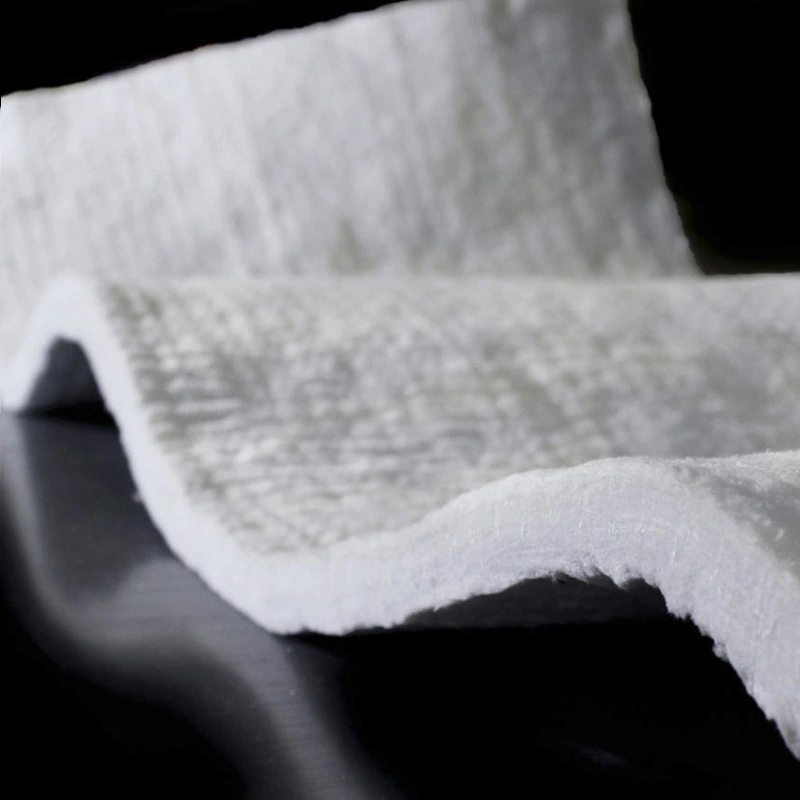
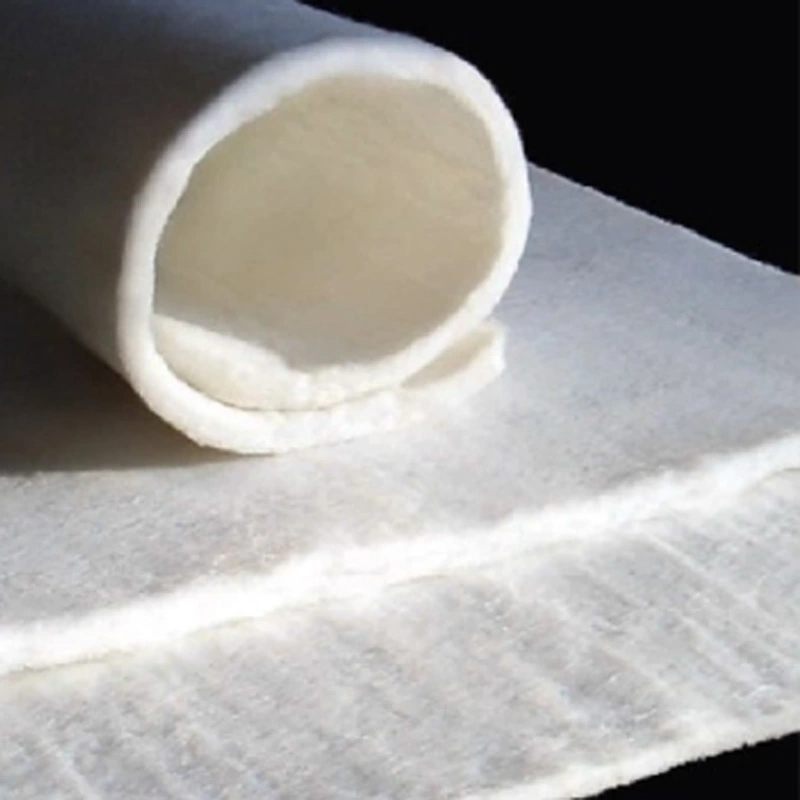
For lightweight backup insulation where mechanical strength is not critical, ceramic fiber products may offer advantages in thermal performance and weight.
The correct approach is to divide the furnace or casting system into zones: direct metal contact, splash zone, structural support, hot-face insulation and backup insulation. Each zone may require a different material.
Practical Buyer Checklist
What does the contact test represent? Define the alloy, temperature, dwell, atmosphere and contact geometry. A brief splash test is not representative of long-term immersion or flowing metal. A result is meaningful only when the test conditions resemble the operating duty.
Treat all contact claims as grade-specific. Ask whether the evidence covers uncoated material, coated material or a complete assembly. If the coating is essential, include its maintenance requirements in the operating specification.
Before ordering, request the current technical data sheet, safety data sheet, proposed drawing revision and written application limitations. Confirm whether the quotation covers raw board, finished machining, inspection and packaging. Ask which information is still needed to make a reliable recommendation.
For a production evaluation, define a responsible technical contact and a documented acceptance procedure. Follow established furnace and molten-metal safety rules. Do not introduce an unqualified material directly into a critical location merely because a sample is easy to machine or has an attractive quoted temperature rating.
Request an Application Review
For direct aluminum-contact qualification, prepare a short application brief covering the drawing, operating temperature profile, metal or furnace atmosphere, contact duration, applied load and current service problem. Add photographs showing both the installed arrangement and the condition of a used component.
Request a grade recommendation with its assumptions stated clearly. Ask for achievable machining tolerances, inspection options and a sensible trial plan. A technically complete inquiry helps a manufacturer quote the right component and reduces the risk of ordering an unsuitable board solely on price.
Frequently Asked Questions
Can calcium silicate board be used directly with molten aluminum?
Yes, high-density grades can be used for direct or near-contact aluminum applications when temperature, mechanical load and thermal cycling are within the material’s capability.
What temperature can calcium silicate board handle?
Temperature capability is grade-specific. Obtain a technical data sheet and distinguish classification temperature from recommended continuous service and approved molten-aluminum contact conditions.
Does higher density always mean better performance?
Higher density usually improves strength and erosion resistance, but it may increase thermal conductivity. The best grade depends on whether the board is a hot-face contact part or backup insulation.
How can I prevent cracking during first use?
Follow the supplier’s drying and preheating recommendations, avoid rapid heating, use proper support and allow for thermal expansion.