Why Aluminum Sticks to Some Refractory Materials
Molten aluminum is highly reactive, lightweight and prone to oxidation. When it contacts a porous or chemically unstable refractory surface, aluminum can penetrate surface pores, react with binders or impurities, and solidify as metal build-up or oxide dross.
This is a serious problem in aluminum foundries because build-up changes metal flow, reduces casting accuracy, increases cleaning time and can cause unplanned downtime. In transfer launders, spouts, distribution boxes and hot-top systems, even a thin layer of adhered aluminum can disturb the controlled flow required for stable casting.
The best solution is therefore not simply the highest-temperature material. The correct material must combine low wettability, dense structure, chemical stability, thermal-shock resistance and sufficient mechanical strength.
Materials Commonly Used for Non-Wetting Aluminum Applications
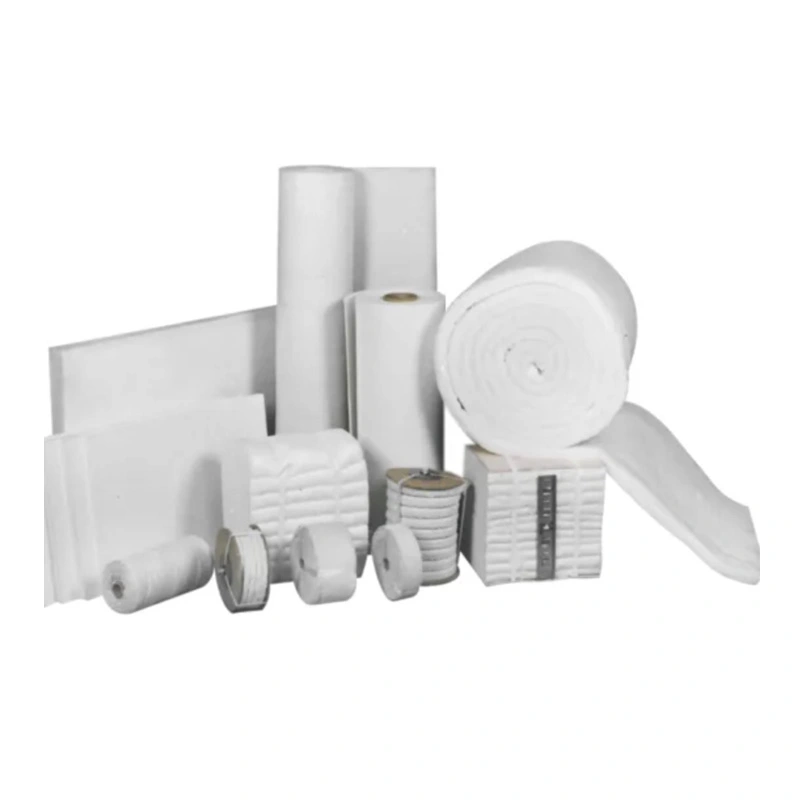
Several refractory and insulation materials are used around molten aluminum, but they perform differently depending on whether they are in direct metal contact, exposed to splash, or used only as backup insulation.
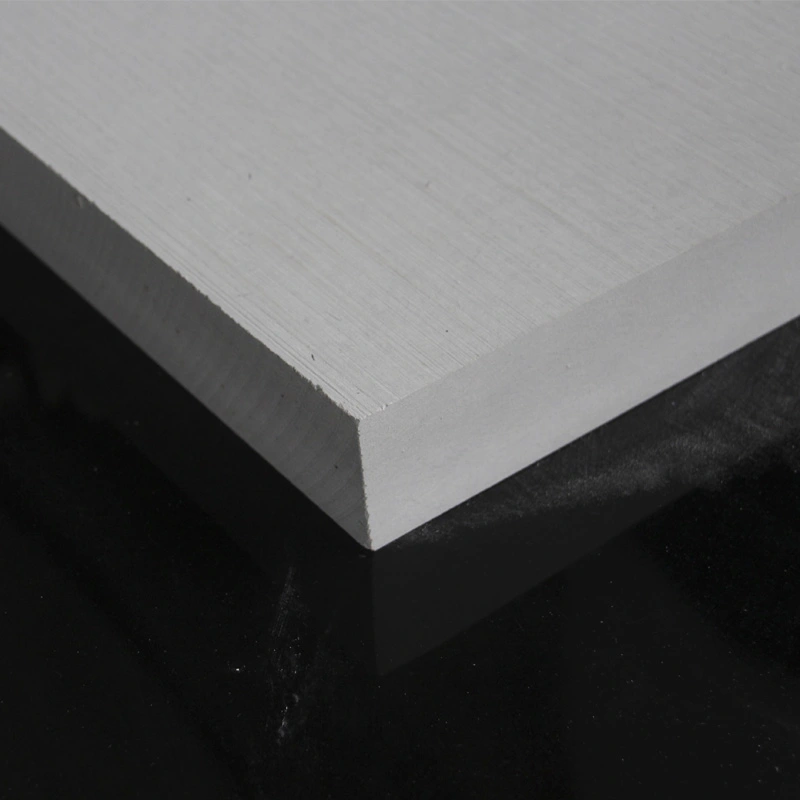
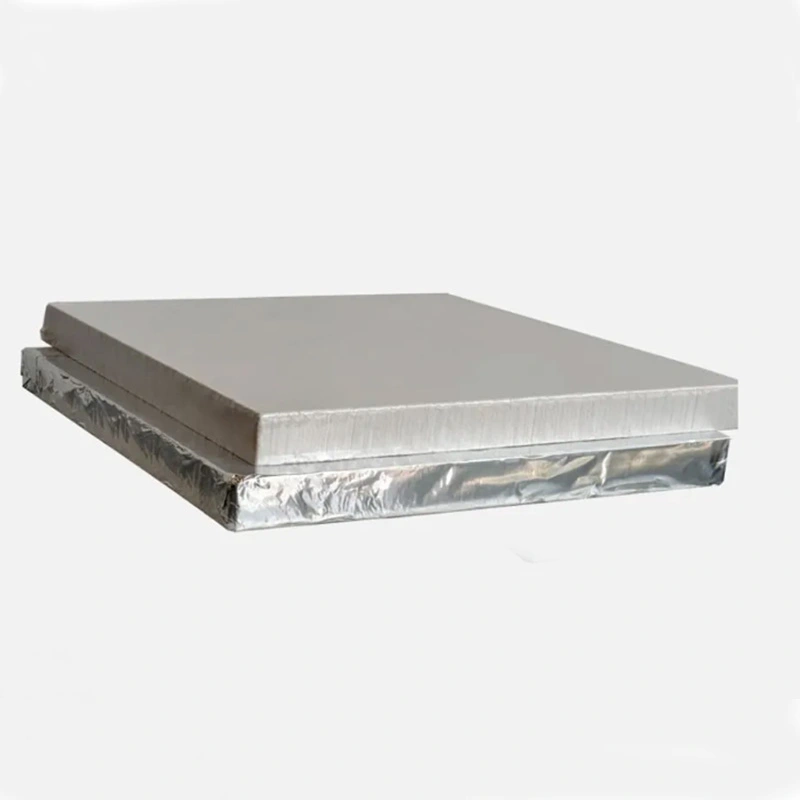
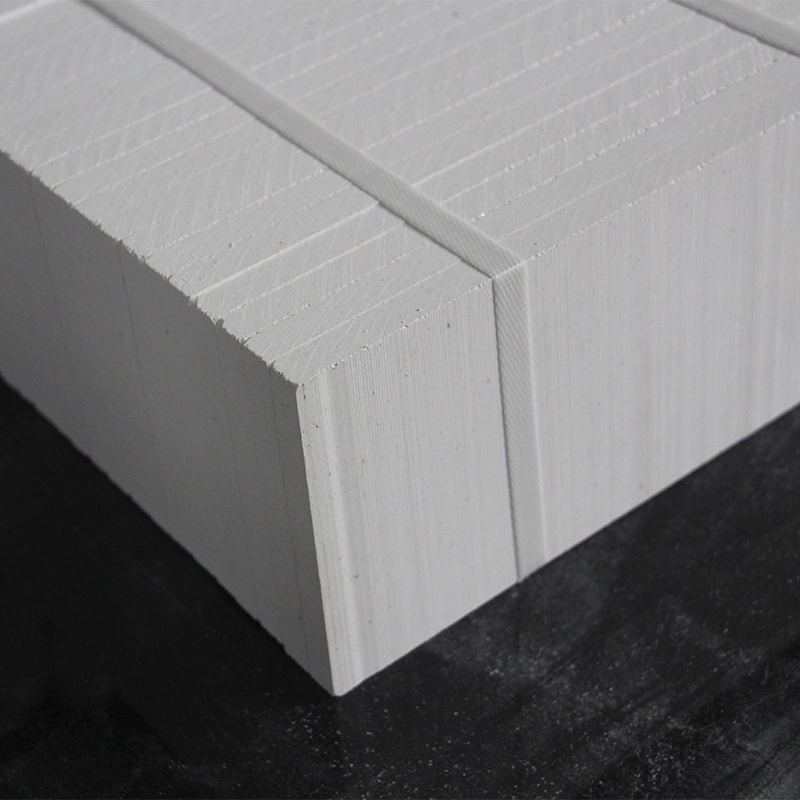
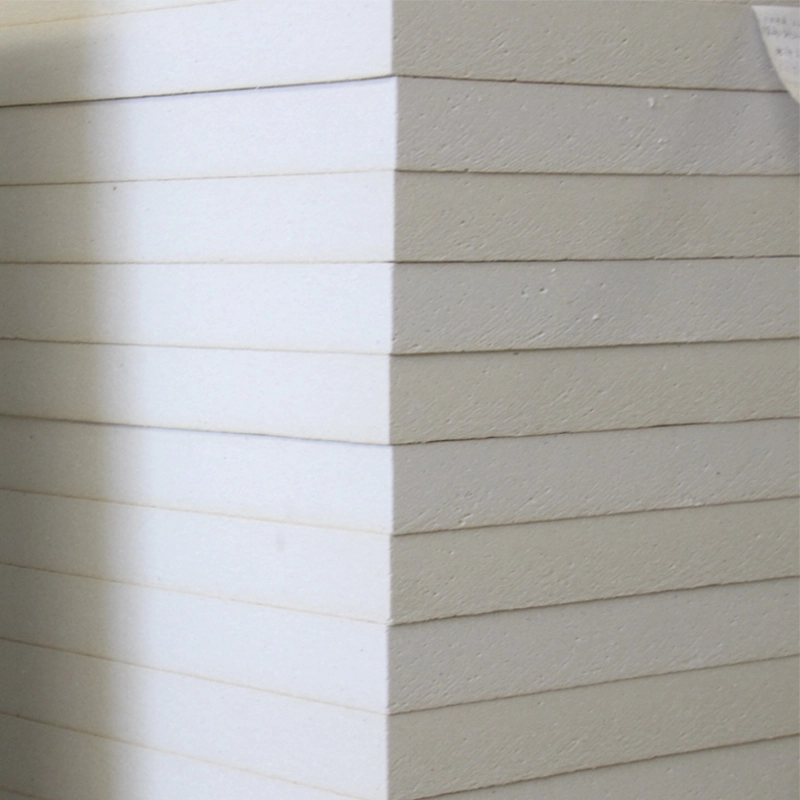
High-density calcium silicate board is one of the most practical choices for direct or near-contact aluminum applications. Its dense, refined structure helps limit aluminum penetration, while its low thermal conductivity reduces heat loss. Where the formulation is qualified for the application, it may be machined into launder liners, spouts, dams and transition components.
Other options include graphite-containing materials, coated refractory ceramics, castables and certain non-oxide ceramics. However, graphite-based materials may not suit every furnace atmosphere, while castables require forming, drying and curing. Coated materials can perform well, but coating wear must be monitored.
Why High-Density Calcium Silicate Board Performs Well
High-density calcium silicate board is engineered for demanding thermal-processing environments. Compared with lower-density insulation board, it provides better mechanical strength, lower shrinkage and improved resistance to thermal cycling.
In aluminum casting systems, these properties matter because components are often exposed to repeated heating and cooling, metal flow, mechanical handling and cleaning. A dense board is less likely to allow aluminum to enter surface pores, which helps reduce metal adhesion and dross accumulation.
Many casting-grade formulations are machinable, subject to geometry and grade limitations. This is important because aluminum foundries often need custom launder sections, angled spouts, stepped dams, float blocks and transition rings. A board that can be CNC-machined helps produce accurate parts with smooth surfaces and fewer assembly gaps.
Typical Applications in Aluminum Foundries
Non-wetting insulation boards are used across the aluminum casting process, from melting and holding through to transfer and casting.
Common applications include aluminum transfer launders, trough liners, casting spouts, sprue bushings, nozzles, floats, skim dams, distribution-box liners, head boxes, hot-top transition rings and furnace support components. In each case, the material must maintain dimensional stability while resisting aluminum contact and thermal shock.
For example, a launder liner must resist continuous metal flow and frequent temperature changes. A float must remain dimensionally stable while controlling metal level. A spout or nozzle must retain a precise flow path without cracking or building up aluminum.
How to Select the Right Non-Wetting Board
Selecting the correct board requires more than comparing maximum use temperature. Buyers should review density, compressive strength, modulus of rupture, thermal conductivity, linear shrinkage, thermal-shock resistance and actual aluminum-contact conditions.
For intermittent aluminum contact at moderate temperatures, a standard high-density calcium silicate grade may be suitable. For continuous metal flow, high-frequency thermal cycling or mechanically loaded parts, a grade qualified for the specific contact duty should be evaluated.
It is also important to distinguish aluminum temperature from hot-face temperature. Local areas near burners, pouring points or metal streams can become hotter than the bulk aluminum. The refractory selection should be based on the highest realistic local temperature, not only the average melt temperature.
Design and Installation Practices That Reduce Build-Up
Material selection is only part of the solution. Part design and installation practices also have a major effect on aluminum build-up.
Sharp internal corners, rough machined surfaces, damaged edges and poorly fitted joints can create areas where aluminum collects. Smooth surfaces, chamfered edges, rounded corners and accurate joints help metal flow freely and make cleaning easier.
Protective coatings such as boron nitride or graphite-based coatings can further reduce adhesion. However, coatings must be applied correctly and inspected regularly. A worn coating can expose the underlying refractory and lead to localized build-up.
Total Cost of Ownership
For aluminum foundries, the lowest purchase price is not always the lowest total cost. A cheaper board that cracks, warps, absorbs aluminum or requires frequent replacement can increase downtime and labor cost.
The most economical material is usually the one that provides stable performance over the longest practical service period. This includes resistance to aluminum wetting, low shrinkage, good mechanical strength, easy machining and predictable replacement intervals.
Buyers should evaluate cost per casting campaign, cost per tonne of aluminum processed, cleaning frequency and downtime risk—not only price per board.
Practical Buyer Checklist
Which surface actually contacts the metal? Identify whether aluminum flows continuously, splashes intermittently or remains stationary against the part. Note where metal freezes during interruptions. These distinctions determine whether the main challenge is chemical contact, erosion or local cooling.
Compare a clean new surface with a used surface before maintenance. An apparently non-wetting sample may behave differently after abrasion or prolonged thermal exposure. Ask how the proposed material has been evaluated after representative conditioning.
Before ordering, request the current technical data sheet, safety data sheet, proposed drawing revision and written application limitations. Confirm whether the quotation covers raw board, finished machining, inspection and packaging. Ask which information is still needed to make a reliable recommendation.
For a production evaluation, define a responsible technical contact and a documented acceptance procedure. Follow established furnace and molten-metal safety rules. Do not introduce an unqualified material directly into a critical location merely because a sample is easy to machine or has an attractive quoted temperature rating.
Request an Application Review
For non-wetting material selection, prepare a short application brief covering the drawing, operating temperature profile, metal or furnace atmosphere, contact duration, applied load and current service problem. Add photographs showing both the installed arrangement and the condition of a used component.
Request a grade recommendation with its assumptions stated clearly. Ask for achievable machining tolerances, inspection options and a sensible trial plan. A technically complete inquiry helps a manufacturer quote the right component and reduces the risk of ordering an unsuitable board solely on price.
Frequently Asked Questions
What does non-wetting mean in aluminum casting?
Non-wetting means the refractory surface resists adhesion and penetration by molten aluminum. A non-wetting board helps reduce metal build-up, oxide dross and cleaning time.
Can high-density calcium silicate board touch molten aluminum?
Yes, when the correct grade is selected for the actual temperature, contact time, mechanical load and thermal-cycling conditions.
Does a protective coating eliminate aluminum build-up?
A boron nitride or graphite-based coating can reduce adhesion, but it should be combined with a suitable dense refractory board, good part design and regular inspection.
Which parts benefit most from non-wetting boards?
Launders, spouts, floats, dams, distribution boxes, hot-top transition rings, sprue bushings and other components exposed to molten aluminum or aluminum splash.