Aluminum Casting FAQ: Non-Wetting High-Density Calcium Silicate Boards for Molten Aluminum Applications
High-density calcium silicate boards are widely used in aluminum foundries, casting systems, holding furnaces and MIM pusher furnaces because they combine non-wetting performance, mechanical strength, low thermal conductivity and excellent machinability. For buyers the key questions are usually service life, aluminum resistance, dimensional stability and custom machining capability. Industry data for comparable products highlight non-wetting behavior, low shrinkage, thermal-shock resistance and machinability as core selection criteria.
1. What material does not stick to molten aluminum?
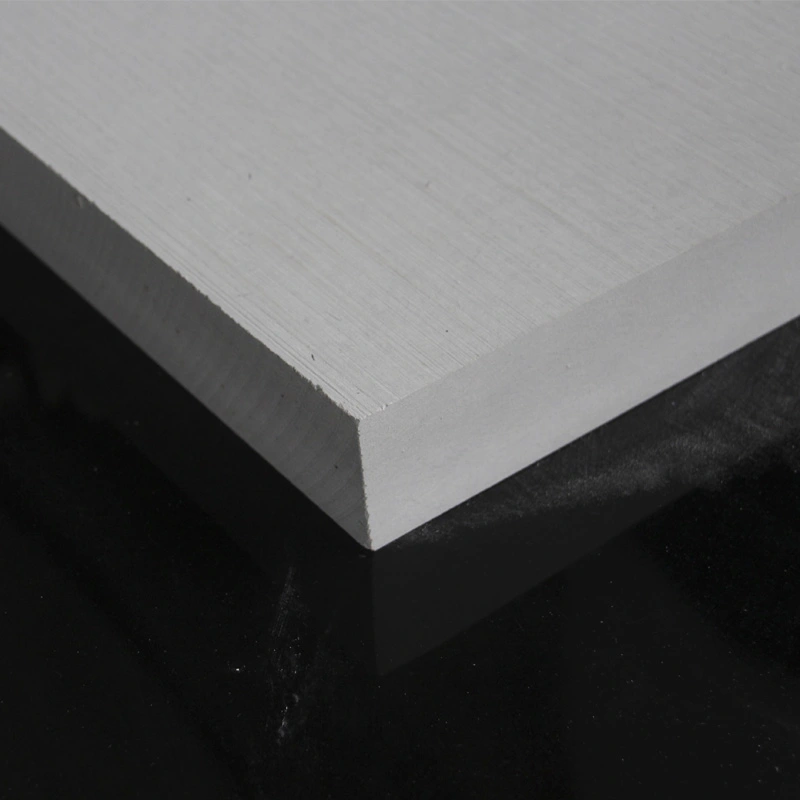
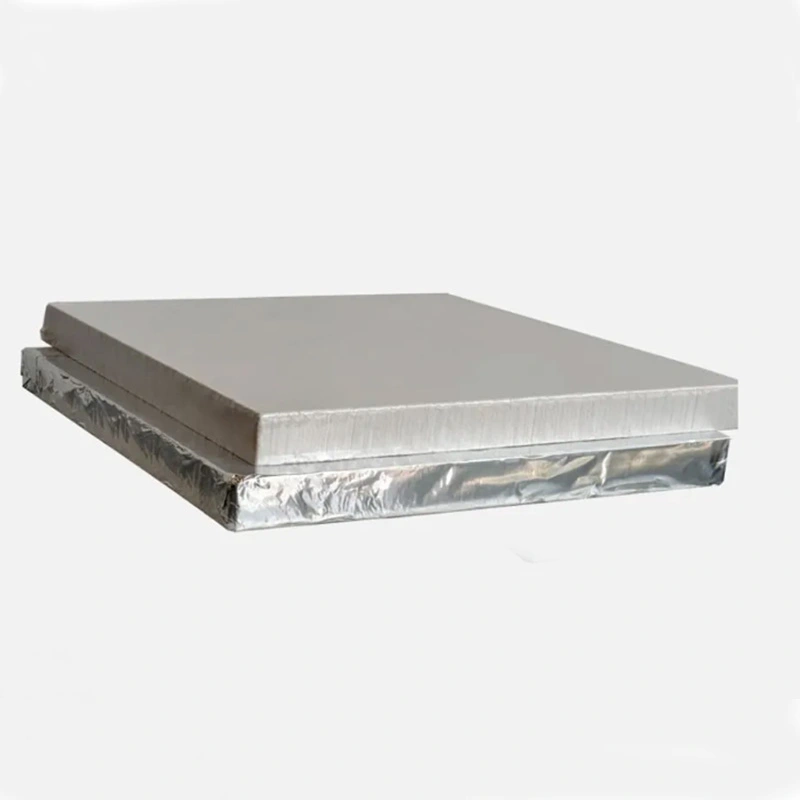
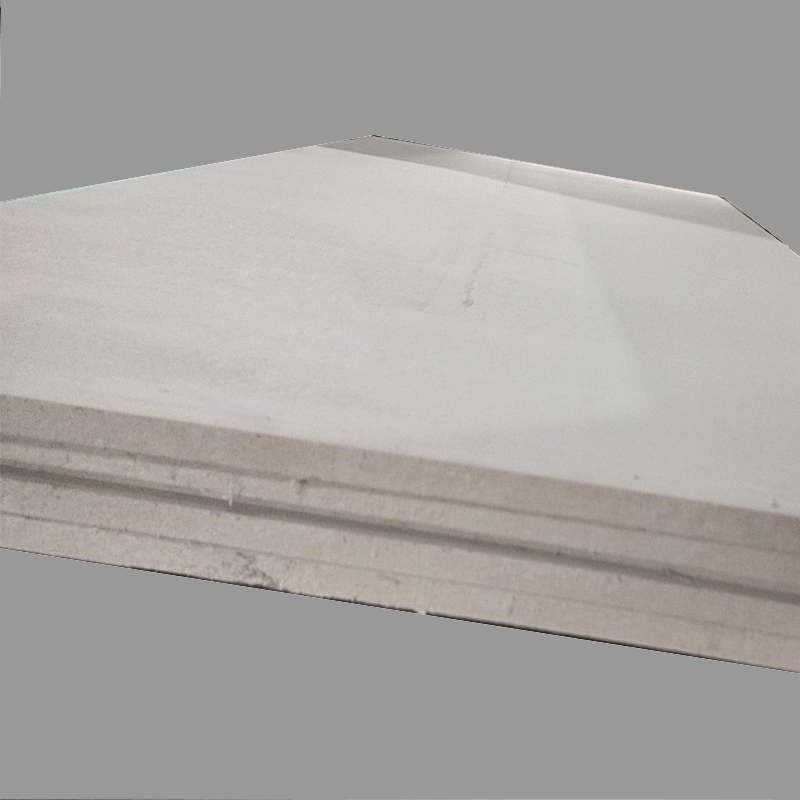
For direct or near-contact applications with molten aluminum, high-density calcium silicate board is one of the most practical refractory insulation materials. Its dense structure and stable mineral composition help reduce aluminum penetration, metal build-up and oxide dross formation.
Typical applications include:
Aluminum transfer launders and troughs
Casting spouts, sprue bushings and nozzles
Floats, dams and skim dams
Distribution boxes and head boxes
Hot-top transition rings
Holding-furnace and casting-furnace components
Insulating supports and wear-resistant furnace parts
Comparable products such as MONALITE M1 and Pyrotek N17 are specifically positioned for aluminum casting and non-ferrous foundry applications, with non-wetting, low-shrinkage and machinable characteristics.
2. Can high-density calcium silicate board directly contact molten aluminum?
Yes, provided the correct grade is selected for the actual thermal and mechanical conditions. The most important factors are not only aluminum temperature, but also contact time, metal flow velocity, thermal cycling, mechanical load and local overheating.
For many aluminum casting and holding applications, high-density calcium silicate boards are designed for service temperatures up to approximately 1000°C. North Refractories describes NR-85 and NR-80 as suitable for molten-metal contact applications up to 1000°C, while also emphasizing low shrinkage and dimensional stability.
However, “maximum use temperature” should not be confused with the recommended temperature for continuous direct aluminum contact. For parts exposed to continuous molten aluminum, metal flow or repeated thermal shock, a higher-density, lower-shrinkage grade is generally recommended.
3. What is the best material for aluminum launders, spouts and floats?
The best material depends on the function of the component:
| Component | Main requirement | Suitable board function |
|---|
| Launder liner | Non-wetting, erosion resistance, easy replacement | High-density, low-porosity board |
| Casting spout | Dimensional accuracy, thermal shock resistance | Machinable high-density board |
| Float | Low density, sufficient strength, no aluminum reaction | High-density machinable board |
| Dam or skim dam | Wear resistance, dimensional stability | Reinforced high-density board |
| Hot-top transition ring | Low shrinkage, crack resistance | Premium low-shrinkage grade |
| Furnace support | Compressive strength and insulation | High-density structural insulation board |
High density alcium silicate boards are commonly used here, including transition plates, floats, spouts, head boxes, sprue bushings, nozzles, launders and dams.
4. Why does molten aluminum stick to refractory materials?
Aluminum build-up usually results from a combination of material, design and operating conditions. Common causes include:
High surface porosity, allowing molten aluminum to penetrate the material
Chemical reactions between aluminum and unsuitable binder phases or impurities
Rough surfaces, damaged edges or residual machining dust
Repeated freezing and remelting of aluminum on the refractory surface
Incorrect or worn BN, graphite or other protective coatings
Poor part geometry that creates aluminum traps or difficult-to-clean corners
A dense, chemically stable calcium silicate board reduces these risks.
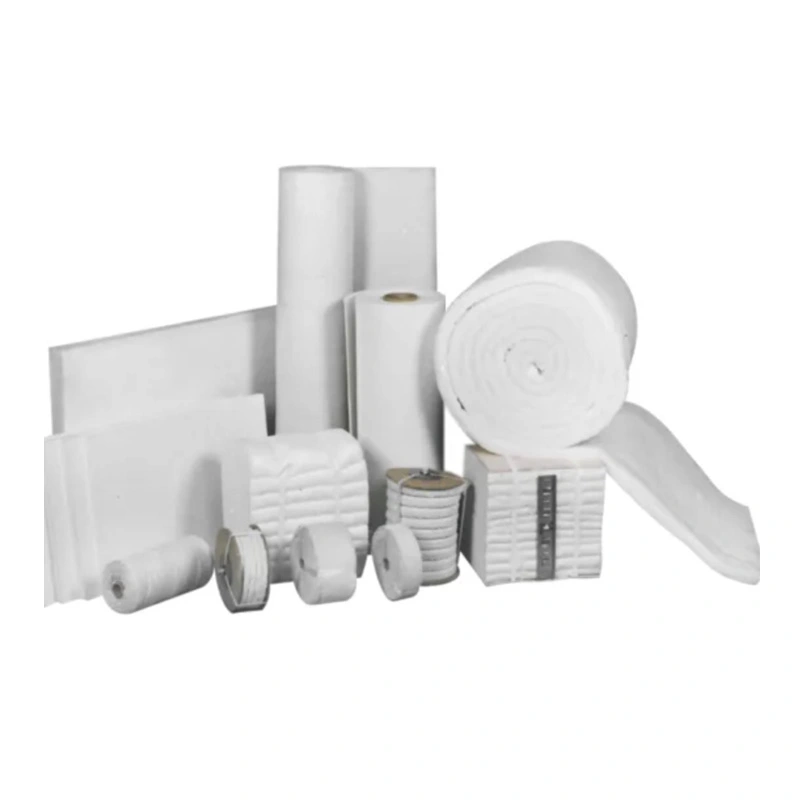
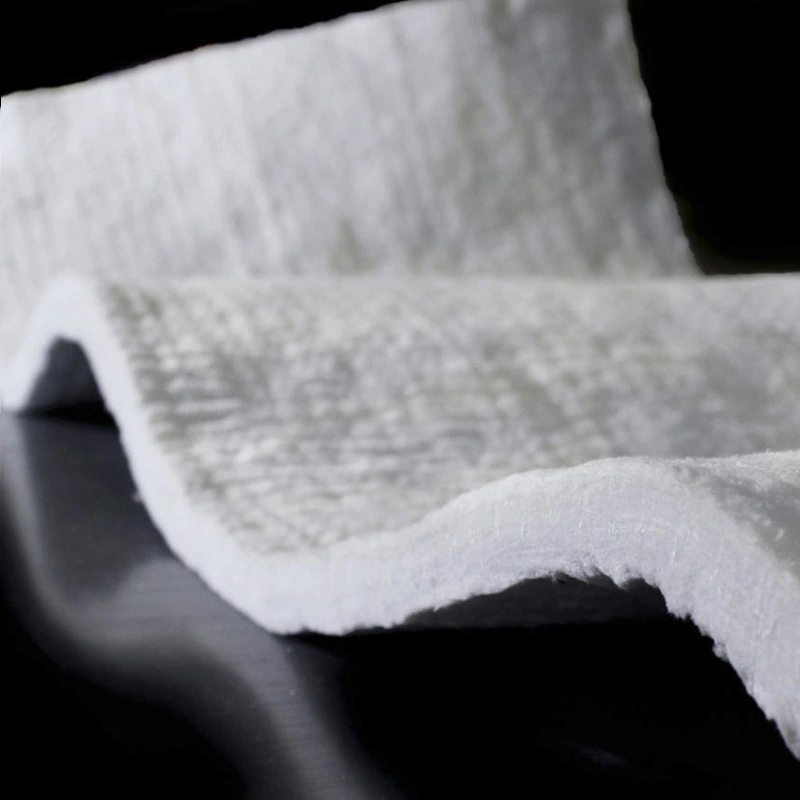
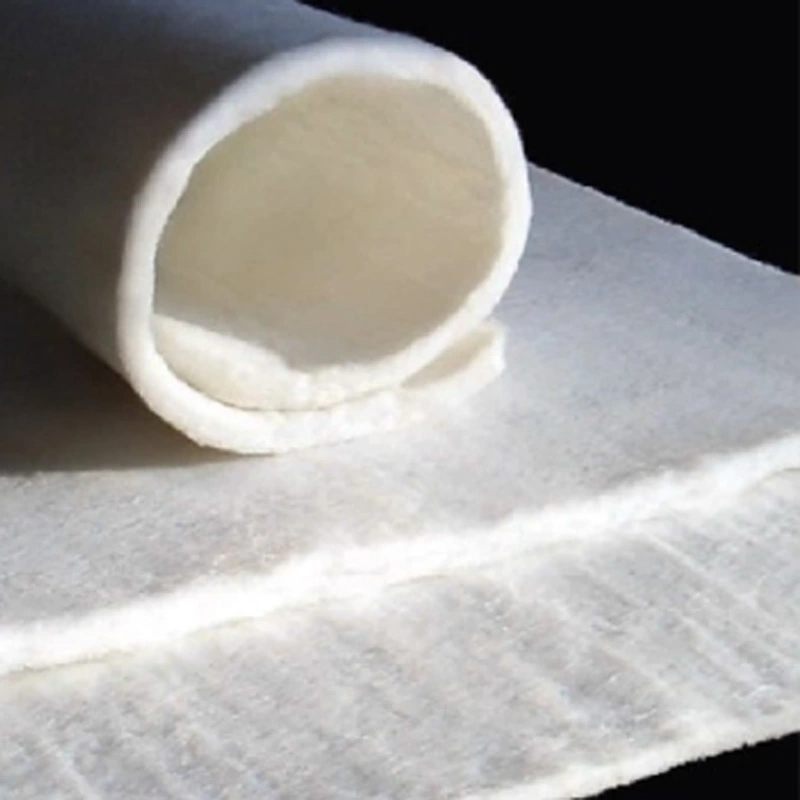
5. Calcium silicate board vs ceramic fiber board: which is better for aluminum foundries?
They serve different purposes.
| Requirement | High-density calcium silicate board | Ceramic fiber board |
|---|
| Direct molten aluminum contact | Generally better | Usually not the primary hot-face choice |
| Mechanical strength | High | Lower |
| Wear and erosion resistance | Better | Limited |
| CNC machining of complex parts | Excellent | Possible, but lower edge strength |
| Backup insulation | Suitable | Excellent |
| Thermal shock resistance | Good | Excellent |
| RCF-free options | Commonly available | Depends on product type |
Calcium silicate refractory boards are non-RCF, low thermal conductivity, thermal-shock resistant, non-wetting and easy to machine. For load-bearing parts, metal-contact components and precision-machined shapes, high-density calcium silicate board is usually the stronger choice. For lightweight backup insulation, ceramic fiber products may be more economical.
6. Can high-density calcium silicate boards be CNC-machined?
Yes. One of the major advantages of high-density calcium silicate board is that it can be machined into complex shapes with good dimensional accuracy. Typical machined parts include:
Launder liners and trough sections
Sprue bushings and nozzles
Floats and dam blocks
Transition rings and hot-top components
Furnace support blocks
MIM pusher plates and sintering supports
Custom insulation shapes with holes, slots, grooves and stepped profiles
For European and American customers, CNC machining reduces on-site cutting, improves assembly accuracy and lowers the risk of edge damage during installation.
8. What board is suitable for MIM pusher furnace supports?
MIM powder metallurgy pusher furnaces require support components that remain dimensionally stable under high temperature and repeated mechanical loading. High-density calcium silicate boards can be used for:
Pusher plates and pusher supports
Setter plates and saggars supports
Furnace rails and guide blocks
Thermal insulation supports
High-temperature positioning blocks
Kiln furniture and heat-treatment fixtures
The material should offer low shrinkage, high compressive strength, good flatness and resistance to thermal cycling. For direct contact with metal powders, ceramic parts or alloy components, the furnace atmosphere, peak temperature and load profile must be reviewed before selecting the grade.
9. Which grade should I choose for 750–850°C aluminum?
For most aluminum melting, holding and casting operations, the working temperature is often in the 700–850°C range. However, local hot spots near burners, hot tops, metal streams or pouring points may be higher.
A practical selection guide is:
700–800°C, intermittent contact: standard high-density calcium silicate board is often suitable.
800–900°C, continuous contact or metal flow: use a higher-density, low-shrinkage, thermal-shock-resistant grade.
900–1000°C or local overheating: select a premium grade and verify the actual hot-face temperature, not only the aluminum temperature.
Promat positions MONALITE M1T for molten-metal contact applications up to 1000°C, which illustrates why premium high-density calcium silicate grades can be used in demanding foundry environments.
10. How can I extend the service life of non-wetting refractory boards?
The lowest-cost board is not always the lowest-cost solution. Total cost depends on replacement frequency, downtime, aluminum loss and cleaning labor. To improve service life:
Avoid mechanical impact during handling and installation
Use chamfered edges and rounded corners to reduce cracking
Remove machining dust before first use
Follow recommended drying or preheating procedures
Apply and maintain suitable BN or graphite coatings
Design high-wear areas as replaceable modules
Track aluminum temperature, alloy type, cycle time and failure mode
These measures help reduce aluminum build-up, cracking and unplanned furnace downtime.
What Buyers Should Request From a Supplier
Before placing an order, ask the supplier for:
Density, compressive strength and modulus of rupture
Maximum use temperature and recommended continuous-use temperature
Thermal conductivity at relevant temperatures
Linear shrinkage after heat treatment
Asbestos-free and RCF-free declarations
Non-wetting performance and aluminum-contact references
CNC machining capability and dimensional tolerance
Technical support for custom drawings and replacement parts
These parameters are more useful than a single “maximum temperature” figure when evaluating a material for aluminum casting, foundry or MIM furnace applications.