The Role of Insulation in Glass Forehearths
A forehearth conditions molten glass before it reaches the forming machine. Small temperature variations can affect glass viscosity, gob weight and forming quality. Therefore, the forehearth needs an insulation system that maintains a stable thermal envelope while allowing burners, cooling channels and control equipment to operate reliably.
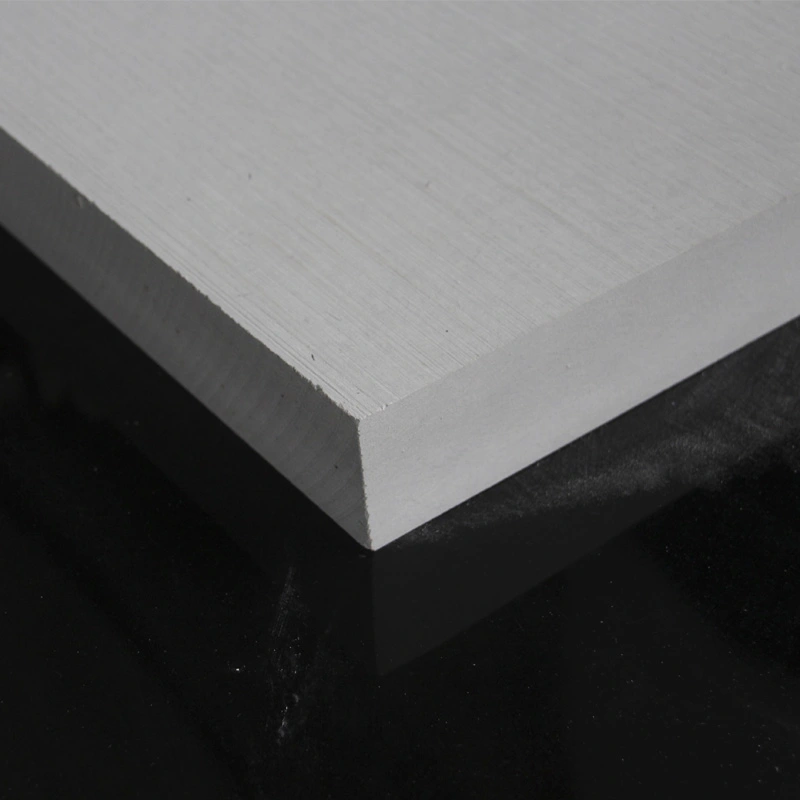
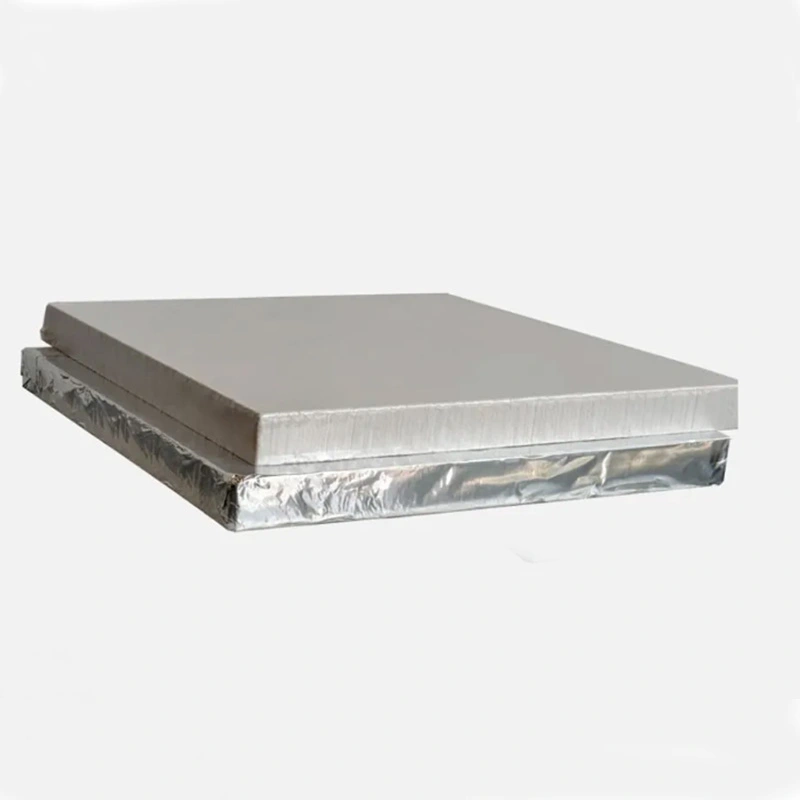
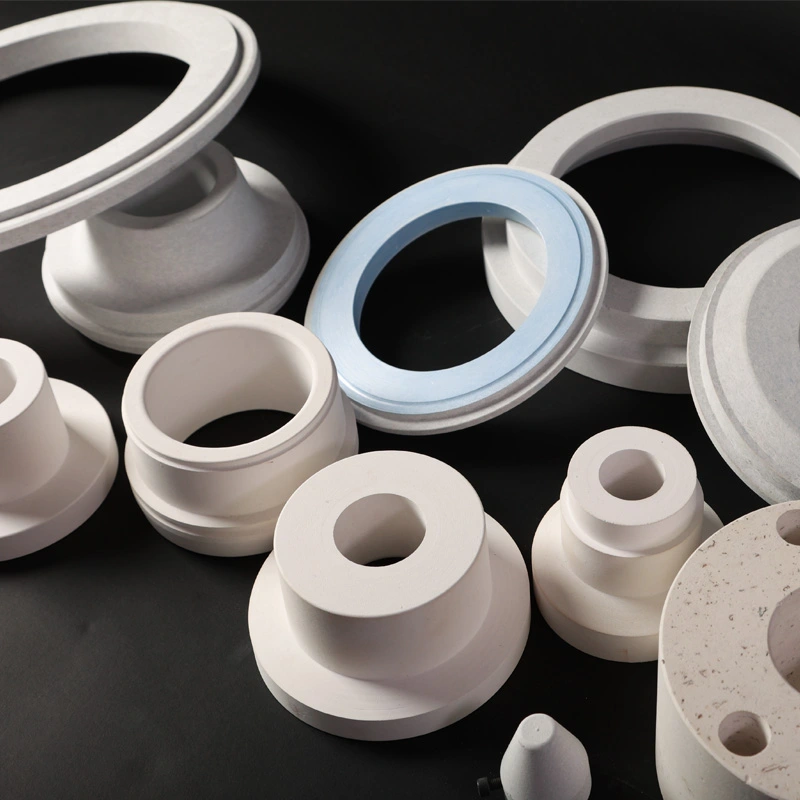
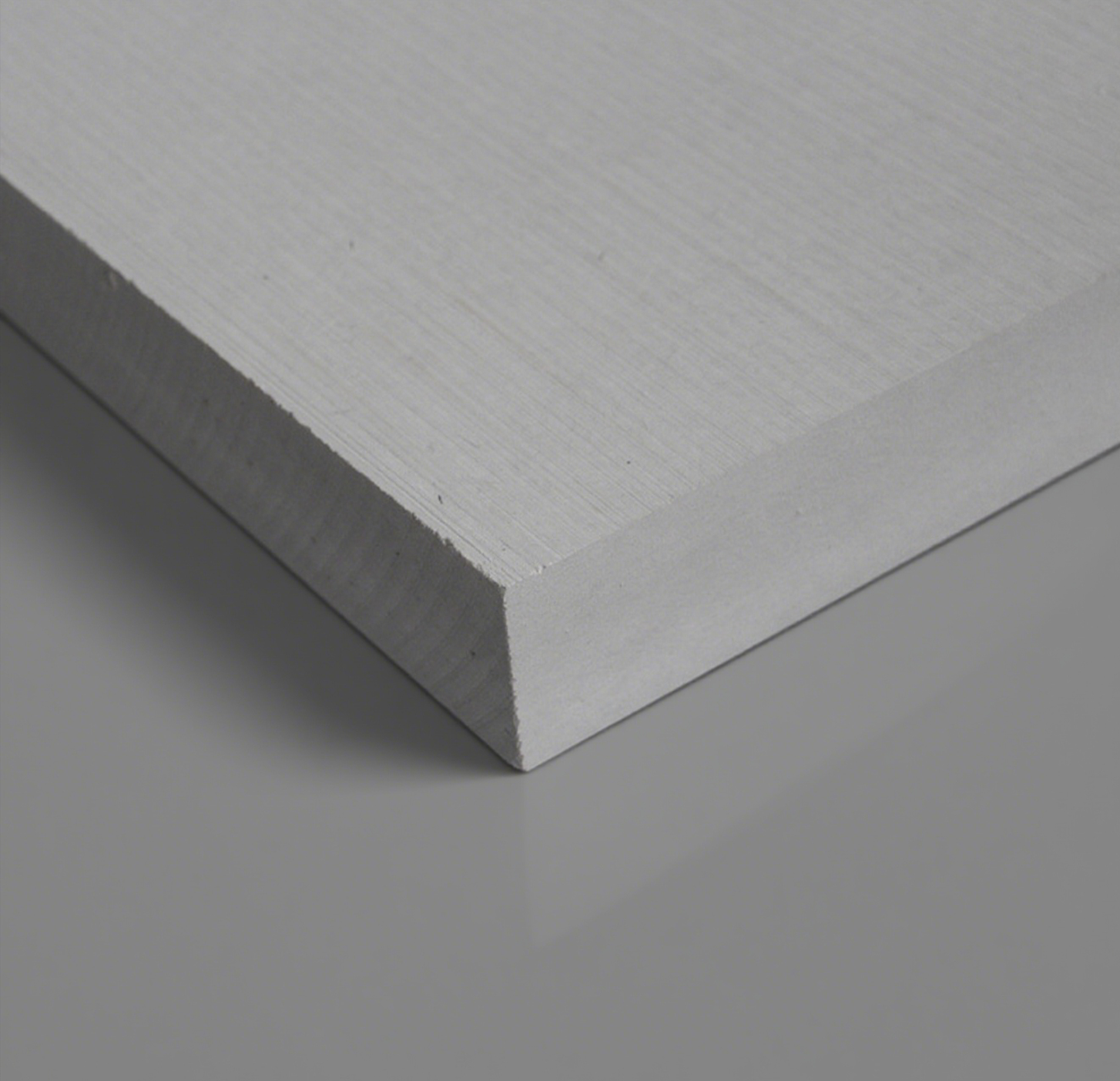
High-density calcium silicate board is widely used as a forehearth insulation board because it combines low thermal conductivity with sufficient mechanical strength. It can be installed behind refractory materials and machined around complex components without losing dimensional accuracy.
Application Positions in the Forehearth
The board is commonly used in the forehearth crown, sidewalls and bottom insulation package. In the crown, it provides backup insulation behind refractory blocks and helps reduce upward heat loss. In sidewalls, it supports the refractory lining while limiting heat transfer to the steel structure.
At the forehearth bottom, the board forms part of a multi-layer insulation system beneath the working lining. It can also be cut into custom shapes for burner blocks, thermocouple openings, cooling-air channels and support frames.
Choosing Between NR-85, NR-80 and NR-120
NR-85 is a versatile choice for general forehearth insulation where balanced strength and thermal performance are needed. NR-80 is suitable where insulation efficiency is the main priority. NR-120 is recommended for areas subject to higher mechanical load, vibration or frequent handling.
All grades are available in standard 2,400 x 1,200 mm panels. Density can be selected within the 500 to 1,200 kg/m3 range, and compressive strength can reach up to 30 MPa depending on the grade and thickness.
Installation and Maintenance Advantages
Forehearth insulation boards should be dry-fitted before installation and cut accurately around openings. Staggered joints help reduce direct heat leakage, while compatible high-temperature sealing materials can be used at edges and penetrations.
Because the boards are rigid and dimensionally stable, they are easy to handle during rebuilds. They also support prefabrication, allowing maintenance teams to prepare custom components before shutting down the forehearth.
Request a Quotation
For glass producers, furnace builders and forehearth maintenance contractors, we supply high-density calcium silicate boards in NR-85, NR-80 and NR-120 grades. Send your required density, thickness, panel size, quantity and application drawing to receive a tailored quotation and technical recommendation.